Protein Variety in Balanced Meals
Published: February 2026
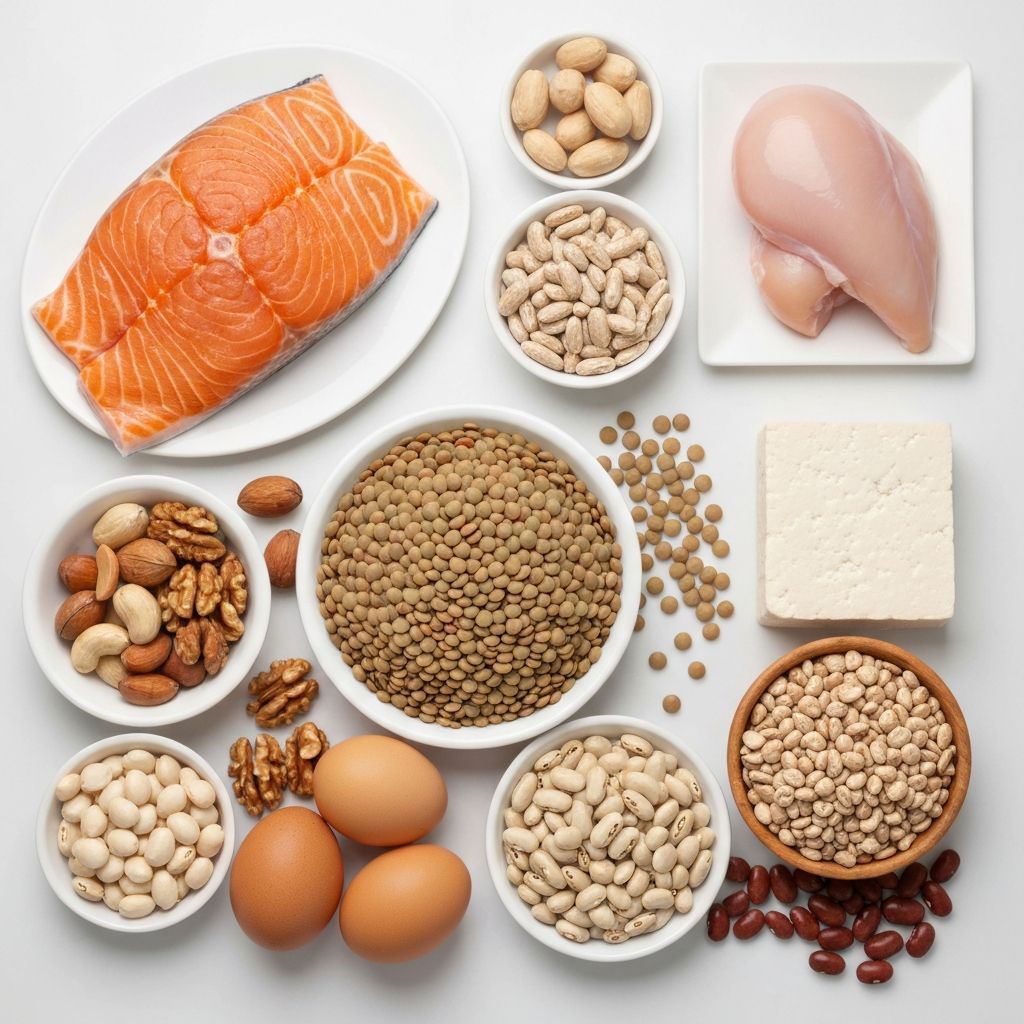
Understanding Protein's Role
Protein represents a distinct food group in plate models used for nutrition education. Unlike the other macronutrient categories, protein sources are more about specific functions in the body than about meeting energy needs, though protein does provide energy at 4 calories per gram.
Proteins are composed of amino acids, which serve roles in building and maintaining tissues, producing enzymes and hormones, and supporting immune function. The variety of protein sources available means multiple options exist for meeting these nutritional roles.
Animal-Based Protein Sources
Meat and poultry:
- Beef, pork, lamb
- Chicken and turkey
- Game meats
Fish and seafood:
- Salmon, trout, and other fatty fish
- Cod, white fish varieties
- Shellfish (shrimp, mussels, oysters)
Eggs and dairy:
- Whole eggs and egg whites
- Concentrated dairy products (cheese, Greek yogurt) for higher protein content
Animal-based proteins are often described as "complete proteins" because they contain all nine essential amino acids in meaningful amounts. They also typically provide bioavailable forms of vitamins and minerals including iron, zinc, and B vitamins.
Plant-Based Protein Sources
Legumes:
- Beans (black, kidney, chickpea, white beans)
- Lentils (red, green, brown)
- Peas (split peas, chickpeas)
Nuts and seeds:
- Almonds, walnuts, peanuts
- Sunflower seeds, pumpkin seeds, chia seeds
Soy products:
- Tofu and tempeh
- Soy milk and soy products
Whole grains (supplementary protein):
- Quinoa, amaranth
- Oats
Plant-based proteins often contain fewer of the essential amino acids in significant amounts, though combining different plant proteins across meals can provide complete amino acid profiles. Plant proteins also typically provide fiber and are often associated with lower fat content depending on the source.
Nutritional Differences Beyond Protein
While protein content is the primary reason these foods are grouped together, they contribute different nutrient profiles:
Animal sources often provide:
- Vitamin B12 (critical for plant-based eaters to obtain elsewhere)
- Heme iron (more readily absorbed form)
- Zinc in bioavailable forms
- Varying amounts of saturated fat depending on the source
Plant sources often provide:
- Fiber
- Various polyphenols and phytonutrients
- Lower saturated fat content (with exception of coconut products)
- Micronutrients like magnesium and folate
Practical Variety
The inclusion of both animal and plant-based protein options in plate models reflects the reality that people across different cultures and dietary preferences use multiple protein sources. The availability of diverse options allows for varied meal planning while meeting protein needs.
Mixing protein sources across meals – sometimes emphasizing animal proteins, sometimes plant proteins, and sometimes combinations of both – represents a practical approach to achieving nutritional variety.
Important Context
Information note: This article provides educational information about different protein sources. Individual protein needs and preferences vary significantly. Some people choose animal proteins exclusively, others choose plant-based options, and many combine both. All approaches can support adequate nutrition with thoughtful food selection.